Quilorenava

Preparing discussions
What would change if every industrial finance meeting started with a simple, shared overview of the situation and questions
How do you prepare for an industrial finance conversation so it feels calm rather than rushed? One practical approach is to write a short overview before key meetings. Start with a plain description of what is happening in your plant, including any timing pressures or operational constraints. Then list the main financial questions you hope to clarify, along with any assumptions you are already using. Sharing this note in advance gives colleagues time to gather relevant data, think about trade offs, and arrive ready to talk. The goal is not to predict outcomes, but to create a setting where people can explore options openly, document reasoning carefully, and recognize where professional advice is needed.
Learn moreIndustrial finance in everyday decisions
Practical perspectives on how industrial finance decisions touch real people, equipment, and schedules across Canadian operations
How do you make sense of industrial finance decisions when your day is already full of production targets, maintenance plans, and safety checks? This page from Quilorenava focuses on what changes for you and your team when financial questions show up in real time. Instead of asking you to become a specialist, it offers practical ways to connect funding choices, project timing, and risk discussions with the people who keep your plant running. You will see how a calm, structured conversation can reduce last minute pressure, support clearer documentation, and make it easier to speak with your own advisors. Nothing here replaces professional guidance or predicts outcomes, and past performance does not guarantee future results, but it can help you walk into your next discussion with more confidence and better questions.

Understanding information flow
How does financial information move between finance, operations, maintenance, and leadership in your industrial setting today
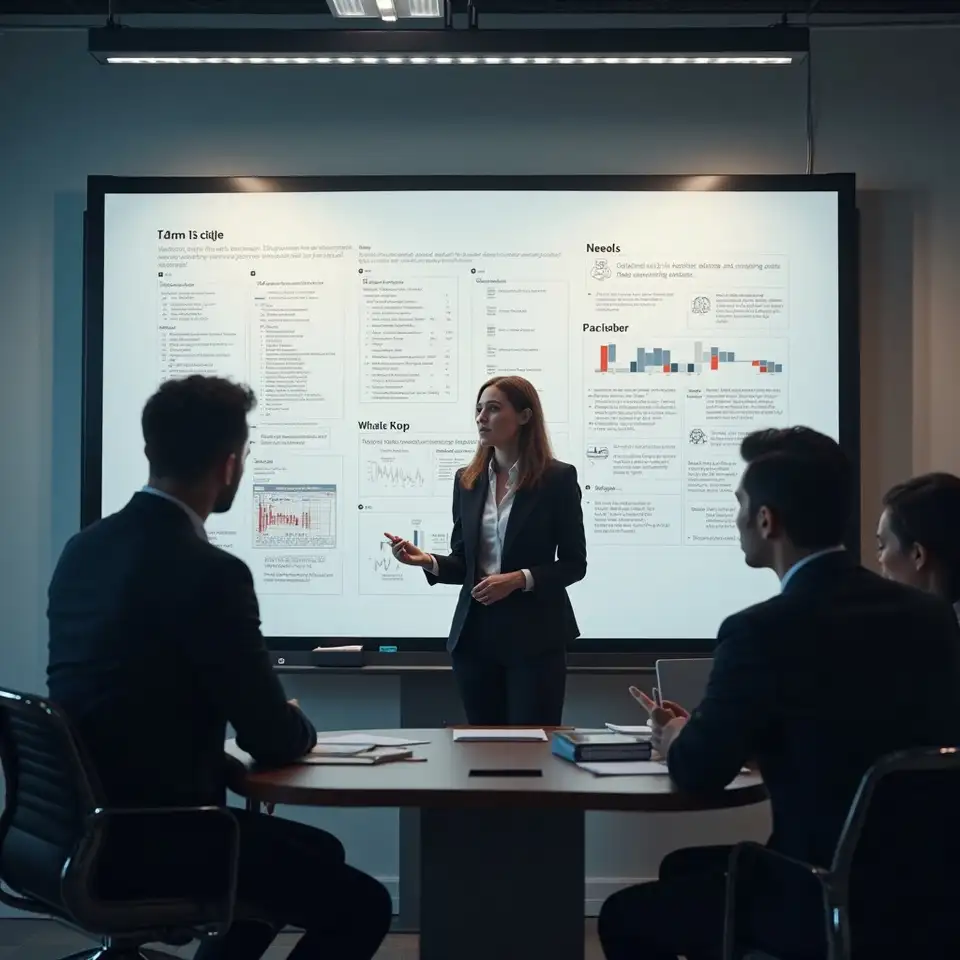
Where do financial insights enter your organization, and how do they reach the people who schedule work, maintain equipment, and manage suppliers? Mapping this information path can reveal delays, gaps, and points where messages become confusing. Small adjustments, such as who receives which summary or when a report is shared, can significantly change how discussions feel. When finance information arrives in a timely, understandable way, it becomes part of normal planning rather than an occasional interruption.
See detailsIndustrial finance in action
What structured, people focused industrial finance practice can look like in everyday plant
life





How this view of industrial finance supports your role
1
Clearer outcomes from complex meetings
Do your project meetings end with people still unsure what was agreed? By framing industrial finance discussions around clear questions, visible trade offs, and explicit next steps, you can leave the room with shared understanding. Colleagues know which options were considered, why one path was chosen, and who is responsible for each follow up, reducing confusion and helping new team members catch up more quickly.
2
Stronger alignment between finance and operations
When financial topics feel distant from the plant floor, trust between departments can suffer. Connecting funding decisions to maintenance windows, staffing patterns, and supplier commitments helps people see how their work fits into the bigger picture. This encourages earlier conversations about constraints, supports more realistic schedules, and reduces tension when conditions require adjustments.
3
Documentation that supports future learning
Well documented reasoning makes it easier to revisit decisions calmly when circumstances change. By capturing assumptions, constraints, and open questions in plain language, you support audits, internal reviews, and lessons learned. This does not remove uncertainty, and past performance does not guarantee future results, but it does provide context that helps your organization learn over time instead of starting from zero with each new project.
4
More confident responses to changing conditions
Industrial environments shift as markets, regulations, and technology evolve. A structured way of discussing finance allows your organization to adjust plans without overreacting. You can revisit scenarios, update expectations, and explain changes to your teams in practical terms, maintaining trust even when a project’s path needs to be revised.
Making sense of industrial finance
Do you ever feel that financial decisions are made somewhere else, then handed to your plant with little context? Here we focus on how to bring those conversations closer to the floor, so supervisors, engineers, and managers can understand what is being discussed and how it may affect their teams.
What you can clarify about industrial finance after reading this page
- Linking financial choices to current plant realities: When a major project or funding decision appears, it can be hard to see how it fits alongside everything else your plant is handling. This topic looks at simple ways to map the operational situation first, then layer in financial questions so people can see the connection between project scope, timing, and the pressure your teams might feel.
- Noticing how financing patterns shape daily pressure: Different ways of arranging funding can change how often you review performance, how much flexibility you have during slow periods, and how tightly schedules are monitored. This topic explores how those patterns can show up in maintenance planning, staffing, and supplier conversations over time.
- Creating shared language between teams: Industrial finance discussions often involve people with very different backgrounds. This topic highlights approaches for building a shared vocabulary and meeting structure, so technical and financial colleagues can ask questions without hesitation and move toward decisions that everyone understands.
- Recording reasoning for future reviews: Even when decisions are thoughtful, they can be difficult to explain later if the reasoning is not recorded. This topic covers practical ways to capture key assumptions, constraints, and open questions in plain language, supporting future reviews while acknowledging that results may vary and conditions change.
Purpose of this page
How can you approach industrial finance topics without turning every meeting into a
dense technical debate? This page aims to help you connect financial language to day
to day realities, organize your questions, and recognize where professional advice
is needed, all while keeping discussions grounded, transparent, and respectful of
Canadian expectations.
Why this perspective fits busy industrial teams
Rather than offering formulas or product recommendations, this page focuses on conversation patterns you can adapt to your own plant or project environment. The emphasis stays on people, responsibilities, and communication: who needs to be involved, what they need to know, and how decisions are recorded in ways that respect Canadian regulatory expectations as of 2026 without turning every discussion into a legal exercise.
Putting structure into practice
Setting context
Do people walk into meetings with very different ideas of what problem they are solving? A short, shared description of the situation can align expectations before you discuss numbers. By clearly stating what has changed, what remains stable, and which questions are open, you help colleagues focus on decisions instead of debating background details.


Comparing options
Are several projects competing for attention and resources? Laying out each option with its operational impact, timing, and key financial considerations side by side can make trade offs easier to see. This does not decide for you, but it gives teams a grounded way to explain why one path is chosen over another, especially when speaking with stakeholders across Canadian sites.
Capturing assumptions
Do you worry that important assumptions might be forgotten when circumstances change? Recording a brief list of the conditions you relied on at the time of a decision helps future teams understand context. When new information appears, you can show how it reasonably led to a different course of action, while recognizing that results may vary and no scenario is certain.
Reviewing outcomes
How do you close the loop after a major decision or project phase? Short, structured reviews that connect outcomes to the original reasoning can provide valuable insight. These reflections do not predict future results, but they help your organization notice patterns, refine expectations, and maintain a balanced view of both successes and challenges.